Source Automatic Mushroom Powder Crusher for Food, Flour, and Chemicals
Source the automatic mushroom powder crusher from 30 verified listings. Compare stainless steel models with varying capacities and mesh outputs for food processing, flour milling, and chemical applications. Evaluate motor power and warranty terms to find the right fit; compare the available evidence and request quotations based on your requirements.
Key considerations
Products List
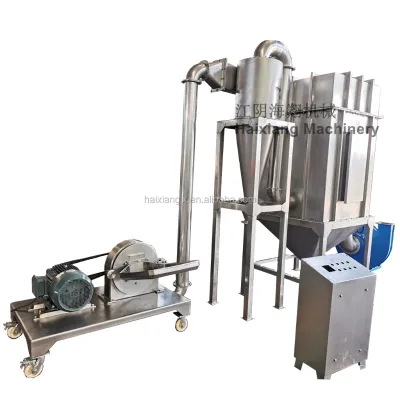


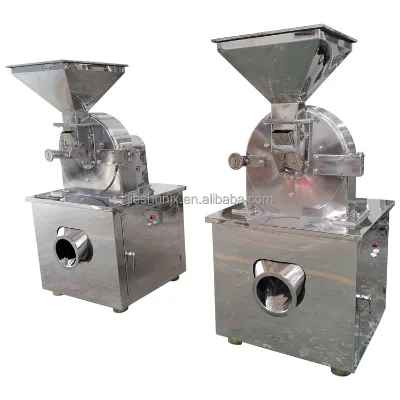


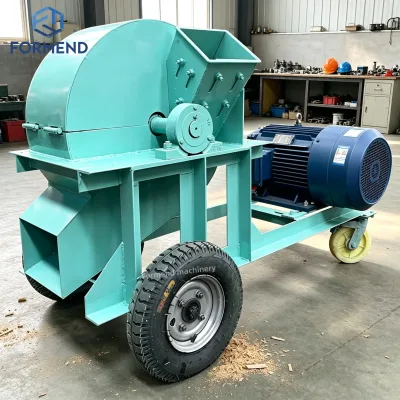


Comprehensive Sourcing Guide
Automatic Mushroom Powder Crusher Sourcing Guide
Procuring an automatic mushroom powder crusher requires distinguishing between general-purpose pulverizers and specialized units designed for fibrous biological materials. The observed market data indicates that many listed "universal pulverizers" are primarily engineered for food processing, flour milling, and chemical applications rather than specific mushroom processing. Buyers must verify if the machine's internal geometry and airflow dynamics can handle the unique moisture and fibrous nature of mushrooms without clogging, as standard models often target dry grains or hard plastics.
The listing signals reveal a wide variance in capacity, ranging from small-scale units handling 2-60 kg/h to industrial models capable of 160-800 kg/h. This disparity suggests that a single machine may not suit all production scales, necessitating a precise match between the crusher's throughput and the facility's daily output requirements. Procurement teams should prioritize suppliers who explicitly confirm the machine's suitability for mushroom processing, rather than assuming a generic grinder labeled for "food processing" can handle the specific rheological properties of mushroom biomass.
Product Scope and Observed Listing Signals
The observed product range includes vertical grinders with spindle speeds reaching up to 3800 r.p.m., which are critical for achieving the fine mesh sizes required for mushroom powder. Listings frequently cite discharge sizes between 40 and 120 mesh, indicating that the equipment is capable of producing the fine consistency needed for culinary or pharmaceutical applications. However, buyers must scrutinize whether these specifications apply to the specific material being processed, as the same machine may yield different results when grinding dry wheat versus fibrous mushrooms.
Material construction is a primary differentiator in the observed listings, with many units featuring SUS304 or SUS316 stainless steel to ensure food-grade safety and corrosion resistance. The presence of imported knife materials and FAG bearings suggests a focus on durability and precision, yet the application scope varies significantly between models designed for flour, rice, and beans versus those intended for broader chemical or plastic processing. Buyers should confirm that the specific model selected is optimized for the moisture content and texture of mushrooms to prevent inefficient grinding or excessive wear on the cutting components.
Technical Specifications to Verify
Critical technical verification begins with the motor power and voltage compatibility, as observed listings show units ranging from 5.5 kW to 7.5 kW with voltages of 220V or 380V. Ensuring the electrical infrastructure matches the machine's requirements is essential to prevent operational failures, particularly in facilities with unstable power supplies. The feeding size specifications, typically listed between 1 mm and 12 mm, must be evaluated against the pre-processing state of the mushrooms to determine if additional shredding or drying steps are necessary before the material enters the crusher.
Capacity and output size consistency are equally vital, with observed capacities spanning from 2 kg/h to 800 kg/h depending on the model configuration. Buyers must verify the actual output mesh size under load, as the theoretical range of 12 to 120 mesh may vary based on the hardness and moisture of the mushroom material. Additionally, the single package dimensions and gross weight, which can reach 20 kg or more, impact logistics planning and installation requirements, necessitating a clear understanding of the machine's physical footprint and handling needs before finalizing the purchase.
Compliance and Safety Documentation
Safety and compliance documentation for industrial grinders often includes CE certification and ISO9001 standards, which are frequently cited in the observed product listings. These certifications indicate that the manufacturing process adheres to specific quality management and safety protocols, providing a baseline assurance for the machine's construction and electrical safety. However, buyers should not assume that a generic CE mark covers all specific operational risks associated with mushroom processing, such as dust explosion hazards or biological contamination, and should request detailed safety manuals specific to the intended application.
Machinery test reports are another critical document to request, as they provide empirical evidence of the machine's performance under controlled conditions. While some listings mention that test reports are provided, the scope of these tests must be verified to ensure they cover the specific material properties of mushrooms, including moisture content and fiber density. Procurement teams should also confirm that the warranty terms, typically listed as one year, cover the specific wear parts like knives and bearings that are subject to high stress during the grinding of fibrous biological materials.
Cost Drivers and Commercial Terms
The cost of an automatic mushroom powder crusher is heavily influenced by the material grade, motor power, and the complexity of the automation features. Units constructed with high-grade SUS316 stainless steel and equipped with advanced automatic controls command a higher price point compared to basic models made from standard 304 steel. Buyers must evaluate whether the premium for higher-grade materials and automation is justified by the specific hygiene requirements and production efficiency goals of their mushroom processing facility.
Commercial terms such as Minimum Order Quantity (MOQ) and customization availability also play a significant role in the total cost of ownership. Observed listings indicate an MOQ of 1 unit, which allows for flexible procurement, but customization options for specific mesh sizes or feeding mechanisms may incur additional costs. It is essential to clarify the lead time and shipping terms, as the single package size and weight can affect freight charges, and to ensure that the supplier provides clear after-sales support, including online assistance, to mitigate potential downtime risks.
Supplier Qualification and Quality Control
Supplier qualification should extend beyond basic product listings to include a thorough review of their manufacturing capabilities and quality control processes. The presence of core components like bearings and motors from reputable brands, such as FAG, suggests a commitment to quality, but buyers must verify the supplier's ability to source these components consistently and replace them if necessary. Establishing a direct line of communication with the supplier to discuss their production standards and quality assurance protocols is crucial for ensuring long-term reliability.
Quality control checks should focus on the consistency of the output and the durability of the machine's critical components. Buyers should request samples of the ground material or video evidence of the machine processing similar fibrous materials to verify that the discharge size and texture meet their specifications. Additionally, confirming the supplier's track record in providing machinery test reports and adhering to international standards like ISO9001 can provide confidence in the product's performance and the supplier's ability to deliver on their promises.
Long-Term Procurement Checks
Long-term procurement success depends on the availability of spare parts and the supplier's commitment to after-sales support. The observed warranty period of one year is a standard baseline, but buyers should negotiate extended support terms or service agreements that cover critical wear parts like knives and bearings, which are subject to frequent replacement in high-volume mushroom processing. Ensuring that the supplier can provide these components promptly is essential to minimizing downtime and maintaining production efficiency.
Regular maintenance and performance monitoring are also key factors in the long-term viability of the equipment. Buyers should establish a schedule for inspecting the machine's condition, checking the alignment of the spindle, and verifying the integrity of the electrical systems. By maintaining a proactive approach to maintenance and leveraging the supplier's online support services, procurement teams can extend the lifespan of the crusher and ensure consistent output quality over the years of operation.
FAQs
What is the output size range for this universal pulverizer?
The output size ranges from 12 to 120 mesh, allowing for fine powder production suitable for various applications. This capability supports processing materials like flour, rice flour, beans, and wheat into consistent particle sizes for industrial use.
Can the machine handle different types of food processing materials?
Yes, the machine is designed for food processing applications including flour, rice flour, beans, and wheat. Its versatile design allows it to effectively pulverize these diverse ingredients into fine powders for commercial production needs.
What is the warranty period for this automatic grinder?
The warranty period is one year, providing coverage for core components like the bearing and motor. This ensures reliability and support for the automatic operation of the grinder during its initial operational phase.
What is the power consumption of the 5.5kw model?
The 5.5kw model consumes 5.5 kilowatts of power, operating at 220/380V voltage. This power rating supports efficient grinding performance for food processing tasks while maintaining stable operation under typical industrial electrical standards.
Is customization available for the automatic mushroom powder crusher?
Customization is available for this automatic grinder, allowing buyers to tailor specifications to their specific production requirements. This flexibility ensures the machine can be adapted for unique processing needs in various industrial settings.
What is the capacity of the machine per hour?
The capacity ranges from 160 to 800 kilograms per hour, depending on the specific model and material being processed. This high throughput supports efficient large-scale production for food and chemical processing applications.